Hire a Mississauga Roofer
Quality Roofing Services: Repair, Replacement, Installation, and Maintenance Services
Expert roofing services are vital to preserving the safety and integrity of a home. Appropriate installation, timely repairs, and well-planned replacements can significantly prolong a roof's lifespan. Homeowners often neglect the value of regular maintenance, which can avoid expensive complications down the line. Understanding the nuances of roofing options can empower homeowners. Nevertheless, many are unsure of how to select the right approach for their unique needs.
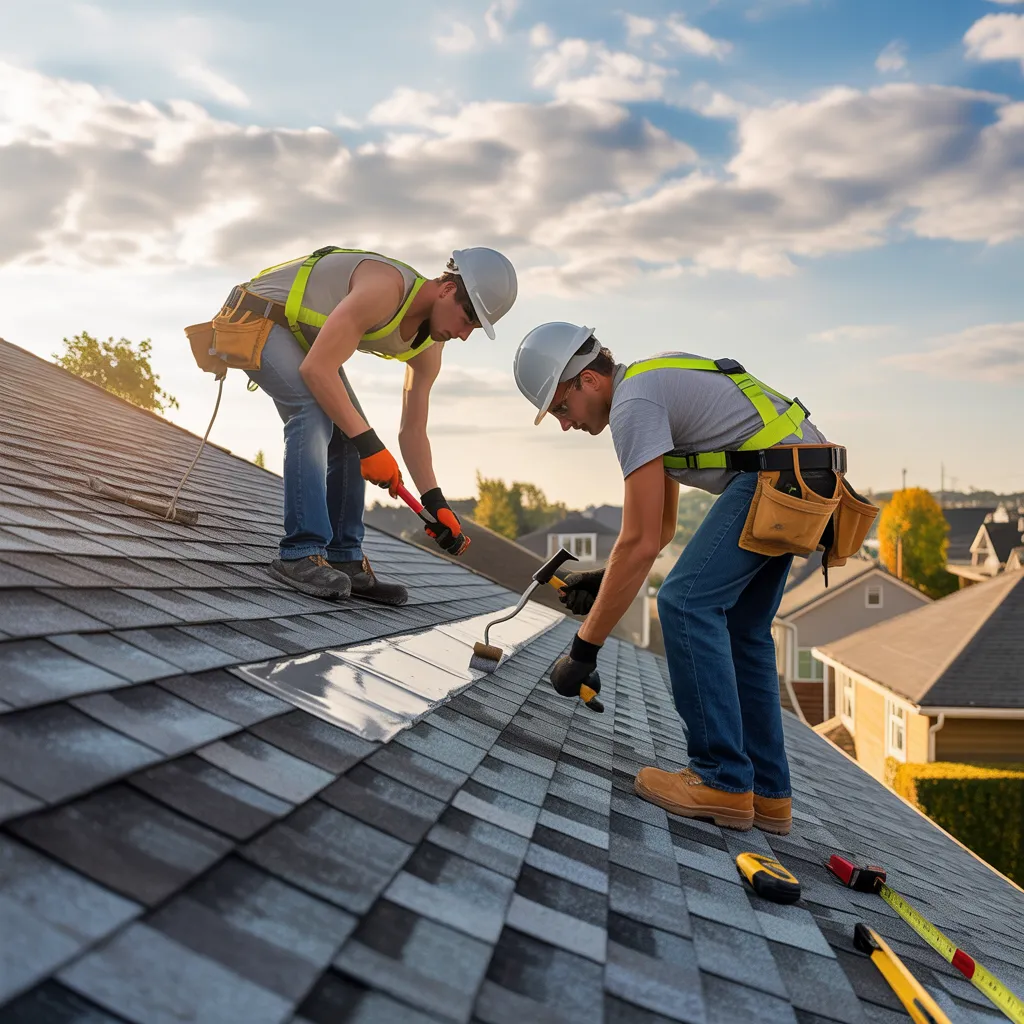
Significance of a Professional Roof Installation
A correctly installed roof functions as the first line of defense against the elements, making presentation the importance of quality roof installation crucial. A roof shields not only the structural integrity of a building but also the well-being and security of its occupants. Substandard installation can lead to mold growth, leaks, and water damage, which can weaken the building's foundation and lead to significant repair costs. Moreover, a quality roof enhances energy efficiency by providing proper insulation, lowering heating and cooling costs. It enhances the overall aesthetic appeal and market value of the property, making it a smart investment. Additionally, a professionally installed roof meets local building codes and standards, guaranteeing safety and reliability. Homeowners should prioritize hiring qualified roofing contractors who understand the nuances of various roofing materials and techniques, as this can significantly impact the longevity and performance of the roof. Ultimately, a sound installation lays the groundwork for long-term protection and peace of mind.
Standard Roof Repairs and the Solutions
Numerous roofing problems can develop over time, demanding timely repairs to maintain the integrity of a home. Common problems include leaks, missing or damaged shingles, and sagging roofs. Leaks often result from worn-out flashing or compromised shingles, demanding immediate attention to stop water damage. Homeowners may need to replace missing shingles or repair damaged ones to secure a watertight seal.
Another typical concern is the accumulation of debris in gutters, which can cause water pooling and resulting roof damage. Regular cleaning and maintenance can mitigate this risk. Additionally, sagging roofs can suggest structural problems, demanding a professional evaluation to establish the underlying cause and appropriate solution.
In the end, tackling these common roofing repairs in a timely manner not only protects the property's structural integrity but also increases the lifespan of the roof, delivering peace of mind to homeowners.
When to Consider a Roof Replacement
What signs indicate a homeowner should replace their roof? Several indicators can signal the need for a roof replacement. Primarily, the age of the roof matters considerably; roofs typically last 20 to 30 years, depending on materials. Once a roof gets close to or passes this duration, considering replacement is advisable.
In addition, visible damage such as bending, absent shingles, or substantial granule loss suggests deterioration. Home owners should also look for leaks or water stains within the property, as these can suggest underlying issues.
An additional factor is the roof's structural integrity; sagging or uneven surfaces may point to serious problems that require a complete replacement. Moreover, if repairs become frequent and costly, opting for a new roof may be more economical in the long run.
Ultimately, seeking advice from a professional can deliver clarity on whether a roof replacement is needed for providing safety and protection.
Regular Maintenance Practices for Long-Term Durability
Although numerous property owners might ignore their roofing systems until issues emerge, routine upkeep procedures are essential for extending a roof's longevity. Evaluations ought to be performed no less than two times annually, concentrating on detecting possible problems like absent tiles, fractures, or indicators of moisture damage. Removing accumulation, including foliage and limbs, from the roofing and drainage systems stops moisture collection, which may result in seepage and deterioration. Additionally, addressing minor repairs promptly can prevent more extensive damage and costly repairs in the future. Property owners should also examine appropriate air circulation, because poor air circulation can cause thermal retention and dampness, weakening the roof's structural soundness. Ultimately, organizing expert assessments can deliver an in-depth analysis and professional advice suited to the individual roofing system. Executing these consistent maintenance protocols confirms a roof maintains excellent condition, defending the dwelling from natural elements and boosting its overall market value.
Picking the Ideal Roofing Materials for Your Residence
In selecting roofing materials, homeowners must evaluate various factors such as climate, budget, and aesthetic preferences to guarantee a durable and visually appealing choice. Different materials provide distinct advantages; for example, asphalt shingles are economical and suitable for diverse climates, while metal roofing delivers extended lifespan and energy efficiency.
In areas susceptible to severe weather conditions, slate or tile may be preferred for their strong characteristics and opposition to extreme conditions. Additionally, the architectural style of the home should guide the choice of materials; traditional homes often are enhanced by wood shakes or shingles, while modern designs may prefer metal or flat roofing choices.
Budget constraints also play a significant role, as certain materials demand greater initial expenses but might deliver reductions in maintenance and energy bills in the long run. Ultimately, a thoughtful approach to material selection secures that homeowners achieve a balance between practicality and visual charm.
Questions & Answers
What Is the Duration of a Standard Roof Installation?
A standard roof installation typically takes one to three days, based on the roofing area, complexity, and weather conditions. Considerations including the roofing materials used and crew experience also affect the complete timeline.
What Warranties Are Offered on Roofing Services?
Warranties for roofing services usually consist of materials warranties that span from 20-50 years, and workmanship warranties, ranging from 1-10 years. Coverage and duration vary by the contractor and the materials utilized.
Is It Possible to Install a New Roof Over My Current One?
Indeed, it is possible to install a new roof over an existing one, assuming that local building codes permit it and the structure can handle the additional weight. Nevertheless, adequate assessment and preparation are vital for long-term durability.
What Are the Indicators of a Roof Requiring Repair?
Indicators that a roof requires repair include damaged or absent shingles, roof leaks, sagging areas, water stains on ceilings, heavy granule loss found in gutters, and apparent mold or mildew. Immediate attention can prevent additional damage.
How Do Weather Conditions Affect Roofing Projects?
Climate conditions heavily impact roofing projects. Rainfall postpones installation, while harsh temperature conditions can compromise the integrity of materials. High wind speeds present safety concerns, and snow accumulation can hinder progress, requiring strategic planning and precise timing for successful execution.